In Koshin, Uasin Gishu County, Philip Tanui, a young Kenyan agripreneur, is redefining what climate-smart farming looks like in practice following the mantra, clean energy, stronger farms, thriving communities.
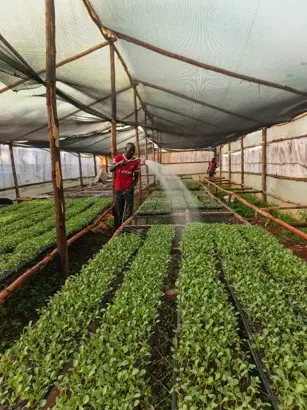
As the Founder of Ami Farm, Philip specializes in the production of vegetable and fruit seedlings, alongside the supply of fully grown vegetables. Today, Ami Farm cultivates up to two acres of vegetables and tomatoes, supplying both seedlings and fresh produce across Uasin Gishu County, strengthening local food systems and supporting smallholder farmers.
However, growth did not come without challenges.
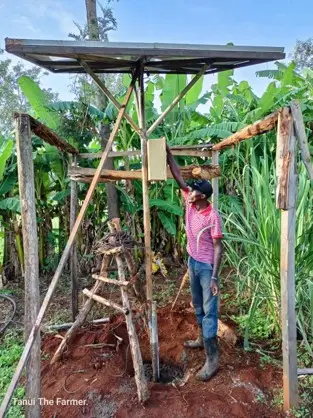
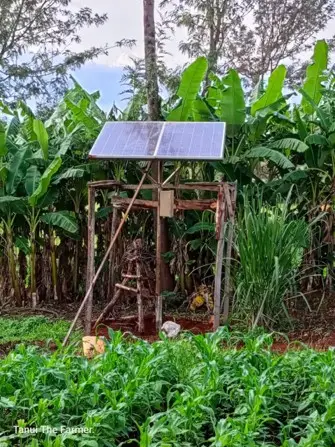
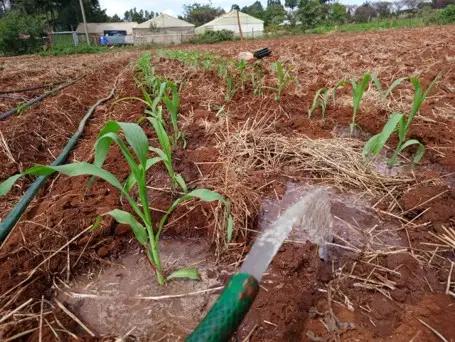
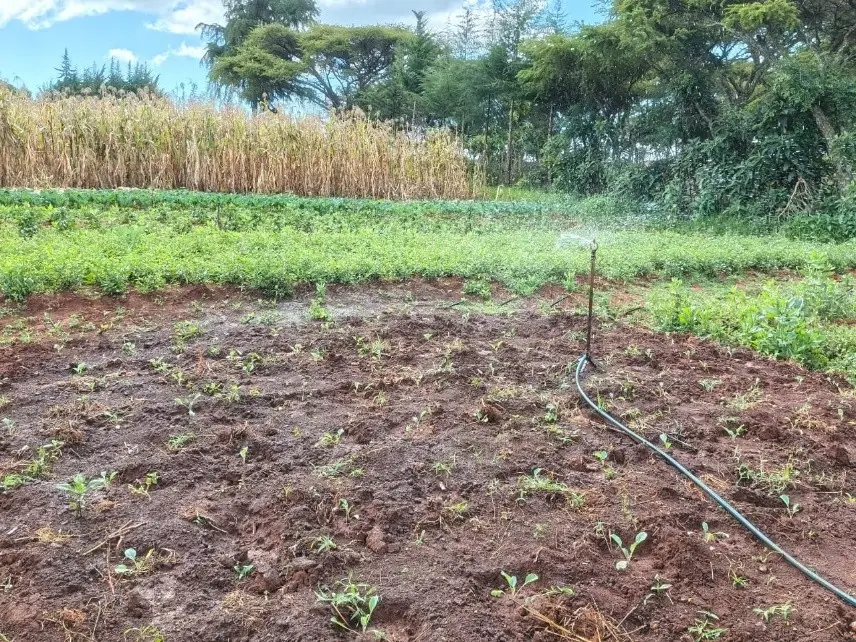
Initially, Ami Farm relied on grid electricity for irrigation. The high and unpredictable energy costs significantly reduced profit margins, limiting the farm’s ability to expand and reinvest. The turning point came with the adoption of a solar-powered irrigation solution, the RainMaker2 (2CKubwa) pump from a partnership between GIZ Kenya, LRC Foundation and SunCulture Kenya Limited. By transitioning to solar irrigation, Ami Farm drastically reduced operating costs while ensuring reliable, consistent water access.
The results have been transformative:
• Increased profitability through lower energy expenses
• Improved crop yields due to reliable irrigation
• Enhanced business stability and resilience
• Reduced carbon footprint through clean energy adoption
Beyond commercial success, the impact extends to the community. Ami Farm has created employment opportunities for local residents and regularly organizes field days where farmers are trained on climate-smart technologies to improve productivity and sustainability. Philip’s journey demonstrates how access to clean energy technologies can unlock economic growth, strengthen food security, and build climate resilience at the grassroots level.
By investing in renewable energy solutions for agriculture, we are not only supporting individual entrepreneurs, we are enabling scalable models that drive inclusive rural development.