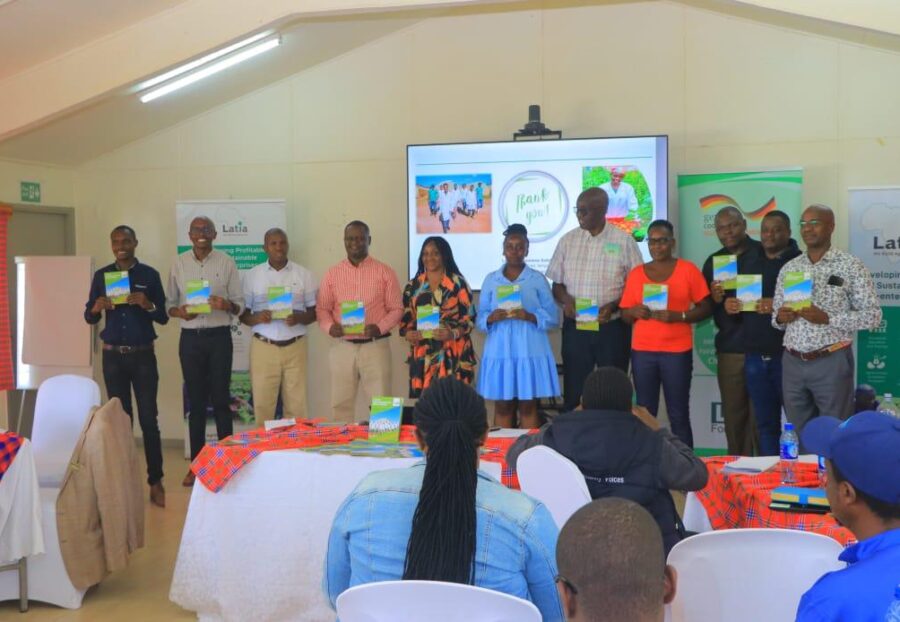
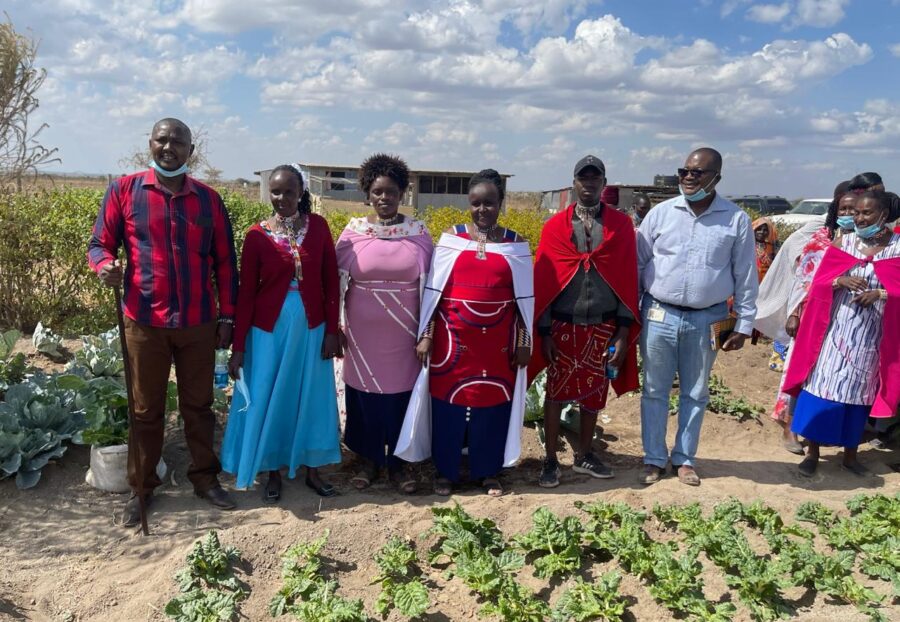
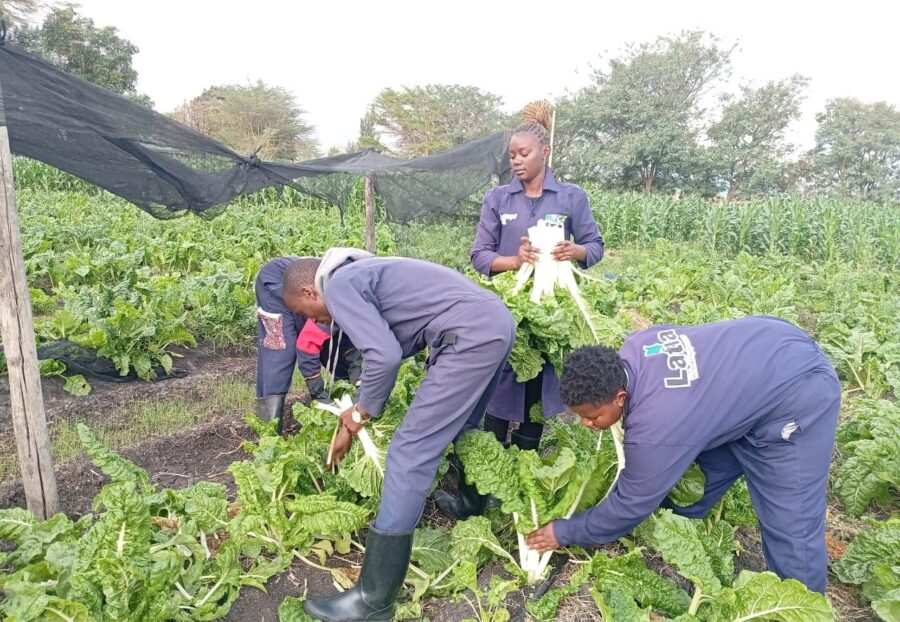
The Maa Green Energy Project was implemented by LRC Foundation to promote the adoption of clean, affordable, and productive solar energy technologies among rural communities in Kajiado County, Kenya. The project addressed limited access to reliable energy and water by demonstrating practical renewable energy solutions for agriculture and household use, including solar-powered water pumps, poultry incubators, community charging stations, and borehole solarization. Through community awareness campaigns, demonstration sites, technical training, and an innovative 20% subsidy scheme, the project enabled smallholder farmers and pastoralist households to adopt renewable energy technologies that improved agricultural productivity, food security, climate resilience, and rural livelihoods.
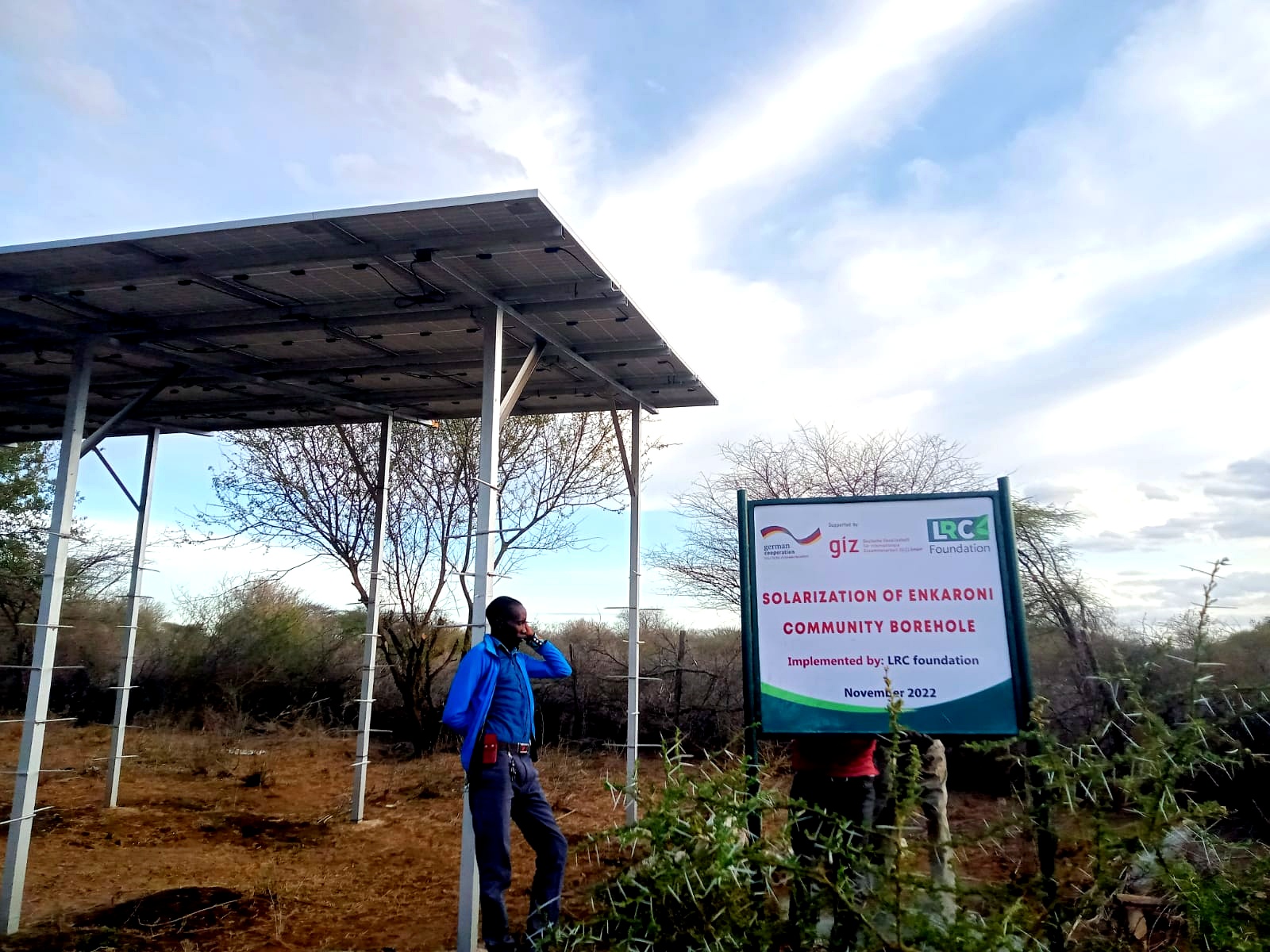
The project successfully facilitated the installation of 119 solar water pumps, 107 solar poultry incubators, 106 solar home charging systems, one solarized community borehole, and trained 100 solar technicians, creating a sustainable local ecosystem for renewable energy services while reducing dependence on fossil fuels and lowering greenhouse gas emissions.
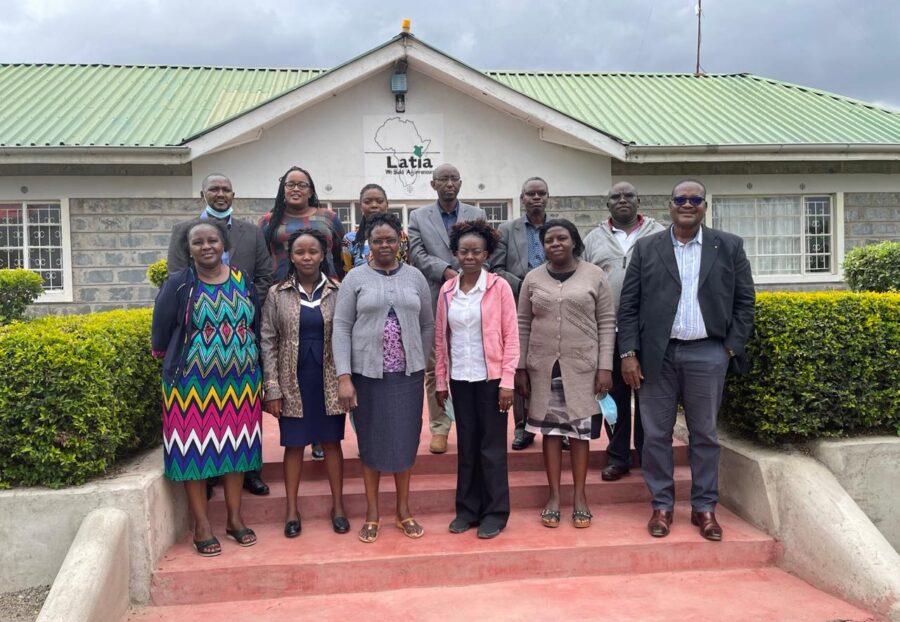
The project was funded by the German Federal Ministry for Economic Affairs and Climate Action (BMWK) through the Small Project Fund (SPF), implemented under the German Energy Solutions Initiative, with support from Deutsche Gesellschaft für Internationale Zusammenarbeit (GIZ) Energy Kenya. LRC Foundation implemented the project in collaboration with Dayliff (Davis & Shirtliff), Kilimo Incubators, Sun King, the Ministry of Energy, the County Government of Kajiado, community leaders, local women’s groups, and trained solar technicians.
These partnerships combined technical expertise, community engagement, private sector innovation, and public sector support to accelerate access to renewable energy technologies and promote sustainable agricultural development in rural Kenya. The project solarized a community water borehole in Enkaroni, Kajiado County supporting over 1,000 households, over 5,000 livestock, schools and hospitals.