Project Duration: November 2021 – February 2025
Funding Partner: Deutsche Welthungerhilfe (WHH)
Implementing Partner: LRC Foundation
The Chukua Control Project was a transformative initiative aimed at strengthening civil society organizations and empowering communities to actively participate in governance, accountability, and sustainable development. Implemented by LRC Foundation with support from Deutsche Welthungerhilfe (WHH), the project focused on improving service delivery in rural Kenya through enhanced civic engagement, organizational capacity building, and multi-stakeholder collaboration.
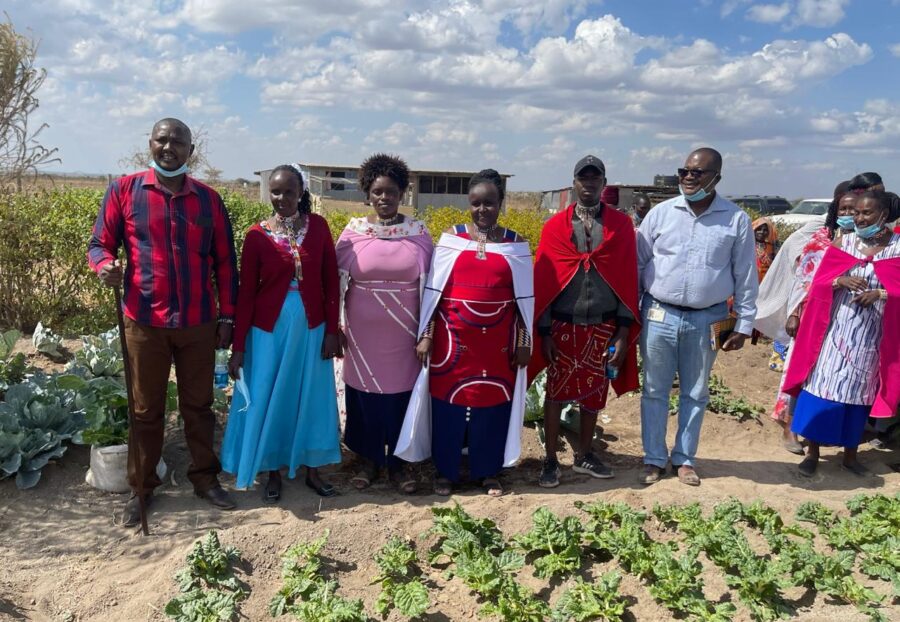
The project strengthened the capacity of civil society organizations by equipping them with knowledge and practical skills in Human Rights-Based Approaches (HRBA), advocacy, governance, finance, procurement, Monitoring, Evaluation, Accountability and Learning (MEAL), Gender Equality and Social Inclusion (GESI), Sustainable Food and Nutrition Security (SFNS), Water, Sanitation and Hygiene (WASH), and social accountability. These interventions enabled organizations and community leaders to effectively advocate for inclusive and accountable public service delivery.
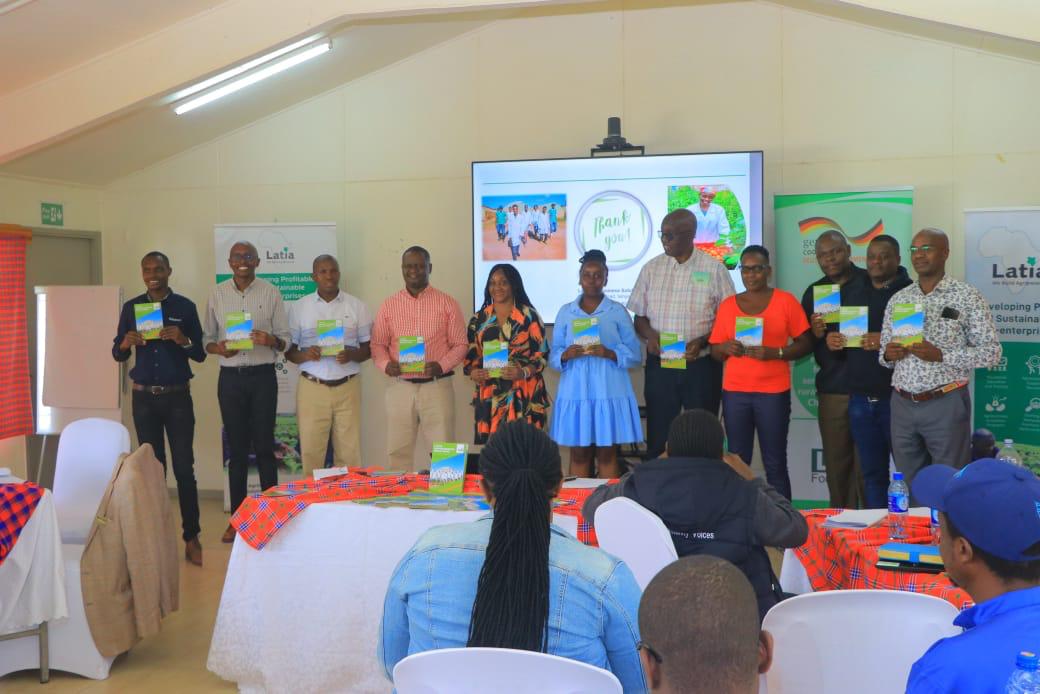
A major achievement of the project was the establishment and strengthening of the Kajiado County Multi-Stakeholder Platform for Climate Smart Agriculture (CSA-MSP). The platform brought together county and national government institutions, civil society organizations, development partners, academia, and the private sector to coordinate actions aimed at improving Sustainable Food and Nutrition Security (SFNS). Through this collaboration, key county policies—including the Kajiado County Agriculture Sector Steering Committee (CASSCOM) Bill, the African Leafy Vegetable Development Strategy, the Kajiado County Crop Agriculture Bill, and water governance policies—received technical support, advocacy, and stakeholder engagement toward their enactment and implementation.
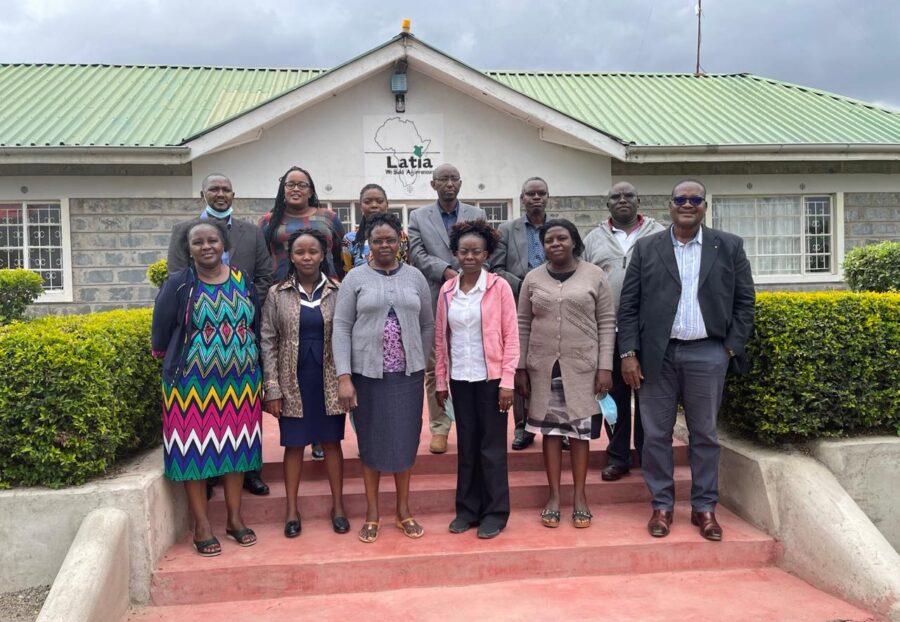
The project also enhanced institutional capacity within LRC Foundation through strategic investments in organizational systems and infrastructure. These included the provision of ICT equipment, office workstations, financial management software, staff attendance systems, and other operational resources that strengthened efficiency, accountability, and service delivery.
Knowledge exchange was another significant pillar of the project. Peer learning visits to partner organizations in Marsabit and Turkana Counties enabled staff to share best practices, strengthen partnerships, and adopt innovative approaches in organizational development, resource mobilization, and community programming.
Project Achievements
Strengthened the institutional capacity of civil society organizations through targeted training and mentorship.
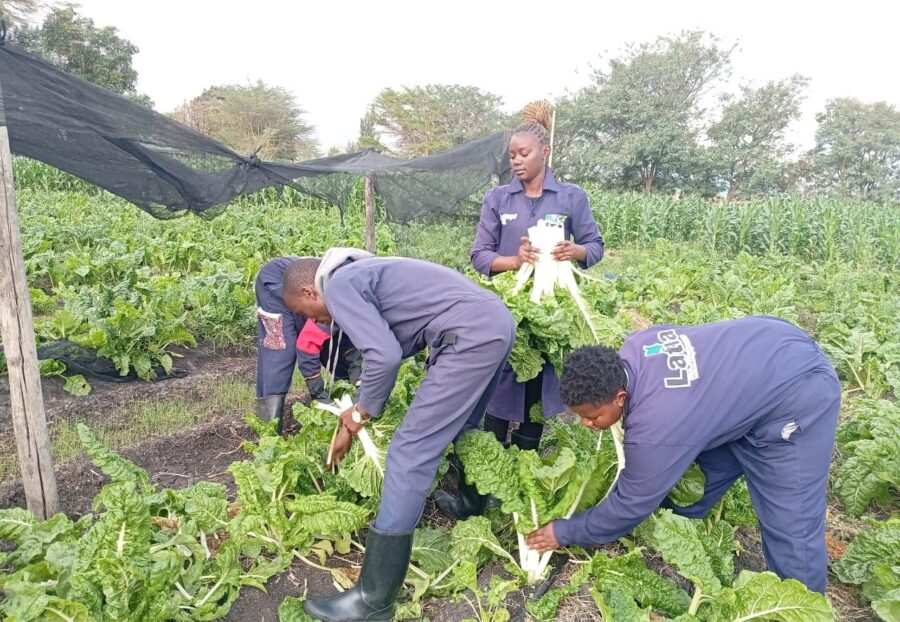
Trained community leaders on Sustainable Food and Nutrition Security (SFNS) and Water, Sanitation and Hygiene (WASH) practices.
Supported advocacy and policy development processes in Kajiado County.
Established and strengthened the Climate Smart Agriculture Multi-Stakeholder Platform (CSA-MSP).
Improved organizational systems through ICT, governance, financial management, and operational support.
Facilitated peer learning and cross-organizational knowledge exchange to promote continuous improvement.
Enhanced collaboration between civil society organizations, government agencies, development partners, and communities.
Project Impact
The Chukua Control Project significantly enhanced the capacity of civil society organizations and community leaders to influence decision-making, promote transparency, and advocate for equitable service delivery. By strengthening institutional systems, promoting collaborative governance, and supporting evidence-based advocacy, the project contributed to more resilient communities and laid a sustainable foundation for improved food security, water governance, and inclusive rural development in Kenya.